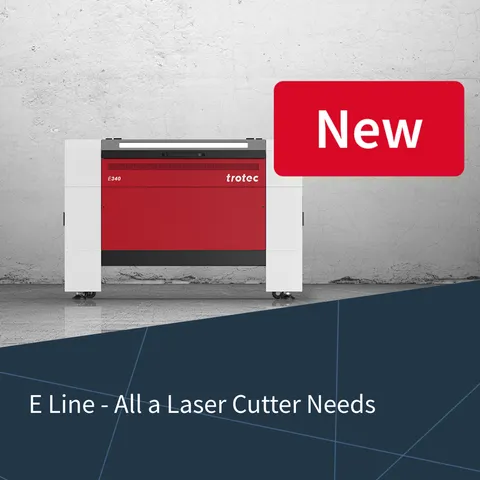
Laser education - Ways to use a laser in schools
Technology continues to reshape how students learn, create and prepare for the future. From digital design to hands-on fabrication, technology in the classroom plays a vital role in helping students turn ideas into real-world outcomes.
For many educators, laser technology has expanded what can realistically be achieved within normal lesson times, enabling students to design, produce and refine ideas within a controlled and safe classroom environment.
Professional laser machines in schools are no longer niche tools reserved for specialist workshops. They now support everything from STEM and design technology to art, entrepreneurship and prototyping, making them a powerful addition to modern learning environments. As part of the shift towards digital fabrication, they help students build practical, industry-relevant skills.
This article explores how schools are harnessing the full potential of laser technology to inspire creativity, collaboration and practical skills in students.

Benefits of laser machines in modern classroom
Integrating professional educational laser machines into teaching spaces gives students the opportunity to move from concept to creation with speed and precision, bridging theory with real-world application. A laser cutter for education allows students to design, prototype, test and refine ideas using materials such as wood, acrylic, paper and textiles, supporting both creative and technical subjects.
Laser cutting enables rapid prototyping, allowing students to design, test and refine ideas, often within a standard lesson timeframe, supporting structured classroom delivery. Compared to slower prototyping methods such as 3D printing, this speed encourages experimentation, while ensuring projects can be completed within timetabled classes. Design solutions can often be created, tested, assembled and refined within a single classroom session, giving students immediate feedback and momentum in their learning.
Laser machines also support interdisciplinary learning, connecting art, engineering, and science through creative exploration. As teaching tools, they help educators create engaging learning experiences, while supporting confidence and independence in students. In educational environments, teaching tools must function within clear constraints: fixed lesson durations, shared equipment, mixed skill levels and safety requirements. Laser machines are increasingly adopted because they allow structured, repeatable workflows that fit within these conditions.
10 ways schools are inspiring students with laser machines
Across schools, colleges and universities, educators are finding creative ways to embed laser technology into everyday teaching – particularly systems designed for shared, high-use education environments. Below are ten examples of how laser machines are being used to inspire learning and creativity.
Designing STEM prototypes in science and engineering classes
Students use laser technology to design and build prototypes that bring engineering and scientific concepts to life. This hands‑on approach bridges theory and practice while reinforcing core STEM principles. In one science class, students were challenged to create an analogy that explained how a cell functions compared to another system. One student designed a laser‑cut model of a netball court, using the ball, umpire and players to represent different organelles within an animal cell - combining scientific understanding with creative design thinking.
Creating custom teaching aids and classroom tools
Teachers and students can design their own learning resources, from geometry templates to tactile maps, helping tailor learning tools to specific classroom needs and improving accessibility for different learning styles.
Supporting makerspace workflows with precise, classroom‑safe fabrication tools
By integrating a fully enclosed laser cutter into makerspaces, students gain a creative outlet to experiment, invent, and innovate using safe, precise fabrication tools aligned with industry practices.
Building art and design projects with precision
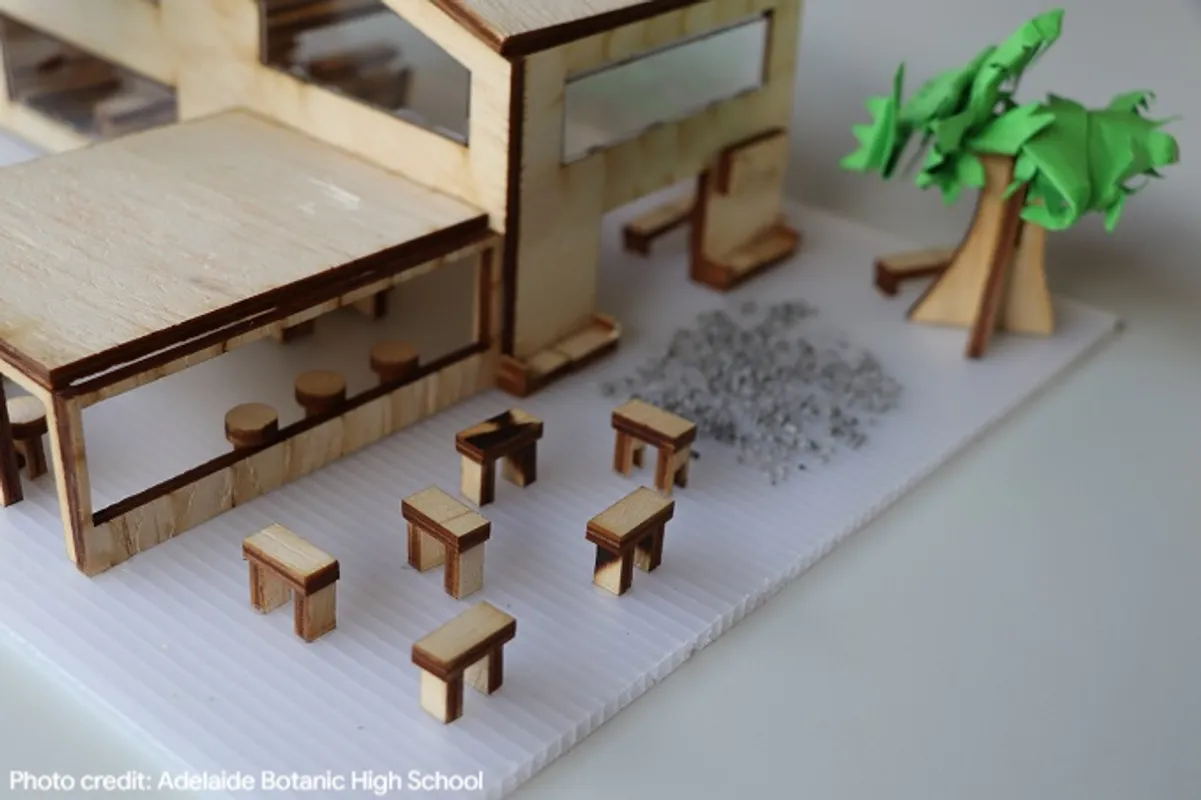
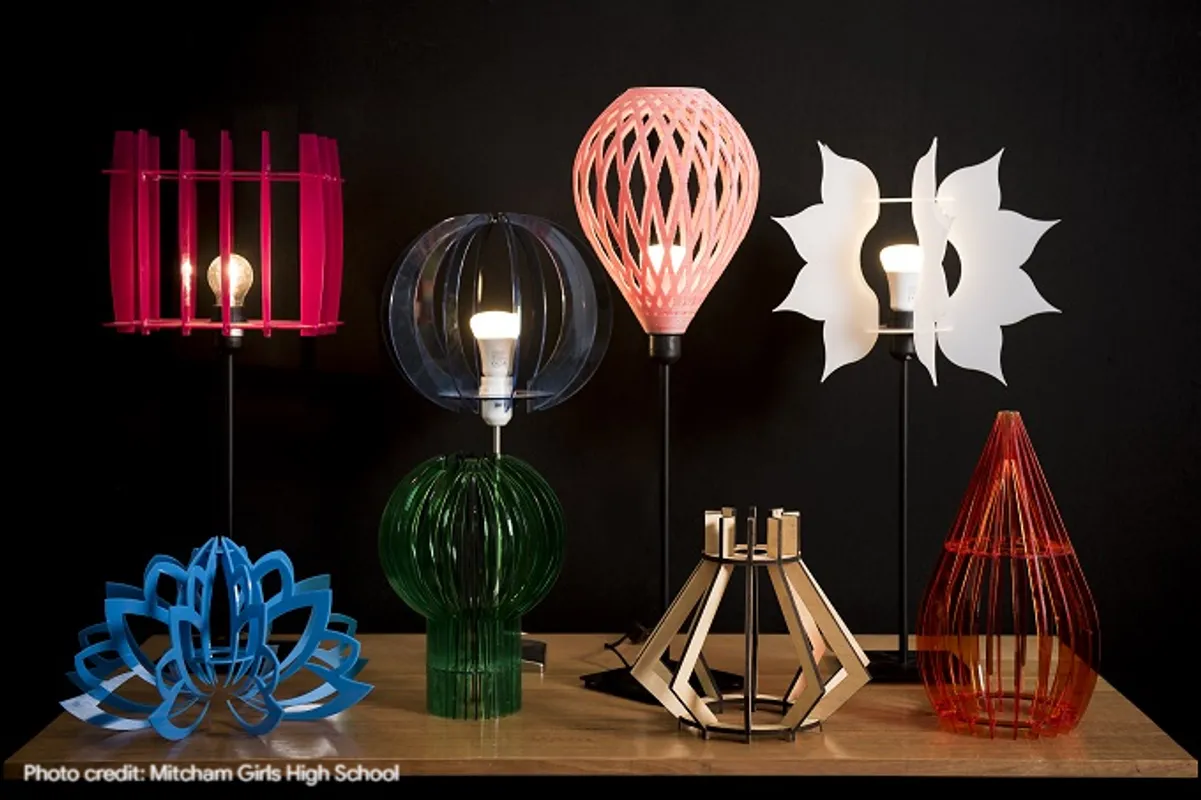
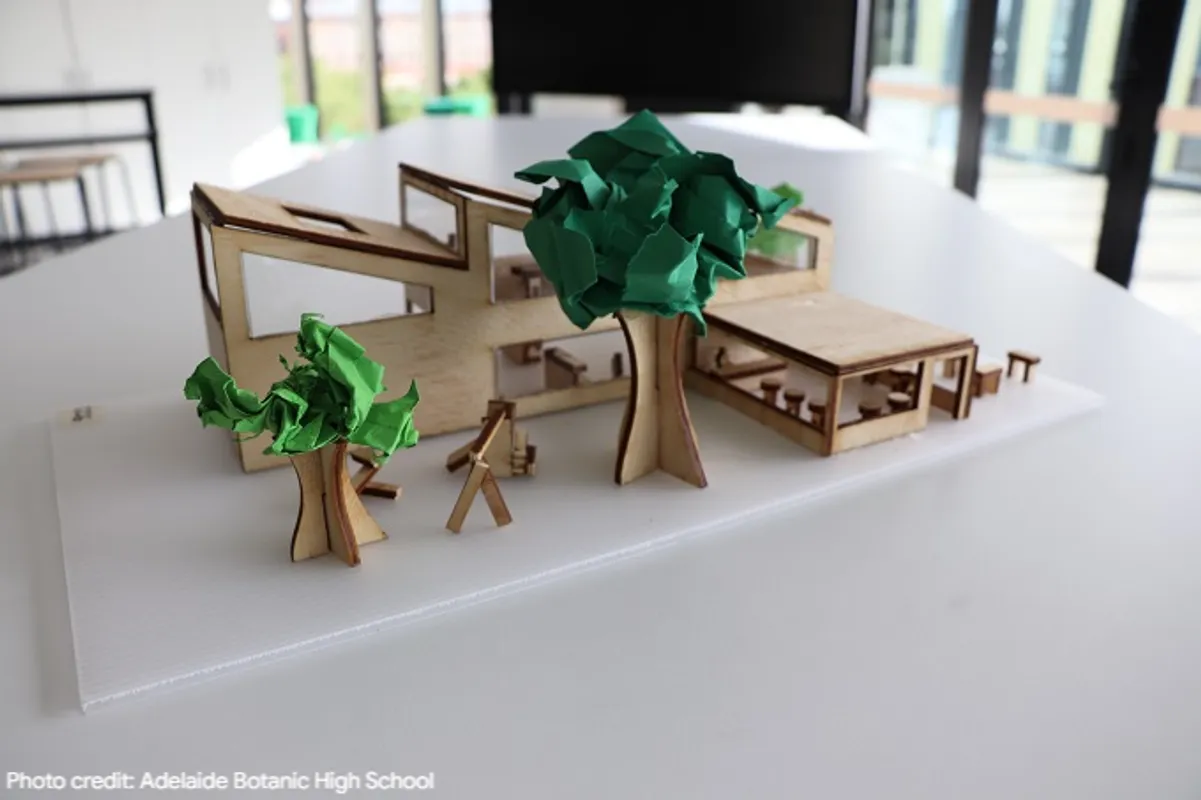
In art, architecture and design subjects, laser machines enable intricate engravings and detailed model-making, helping students complete design and technology projects efficiently and accurately. Beyond efficiency, they enable a high level of sophistication. Students can model mechanical parts, buildings, product designs or packaging concepts, opening up a wide range of creative and technical possibilities.
Engraving school logos and personalised items
Staff and students can create signage, awards, and displays in-house utilising the laser machine - saving time and costs while promoting school identity and creativity.
Encouraging cross disciplinary collaboration
Laser projects often unite students from art, engineering, and science, fostering teamwork, broadening their understanding of digital fabrication in education and exposing students to diverse perspectives and skills.
Preparing students for future careers in design and manufacturing
Modern design and manufacturing environments rely on repeatable, structured digital workflows. By working with laser machines, students gain exposure to concepts such as job management, material libraries, shared production queues, and controlled user access. This environment encourages students to think critically as they respond to design challenges and develop solutions quickly - mirroring real‑world production workflows used in industry.
Developing entrepreneurial skills through product creation
Laser machines allow students to design, prototype and produce small product runs. Along the way students learn about material selection and efficient production while exploring entrepreneurship in a practical, hands-on way. In one school, students partnered with a local hospital to create laser-cut acrylic butterflies for a maternity ward – thoughtfully designed as keepsakes for parents following pregnancy loss.
Promoting sustainability with reusable laser-cut materials
Laser machines support eco-friendly thinking and responsible design practices by minimising waste through precise layouts and efficient nesting. Material offcuts can often be reused for small prototypes and early testing.
Inspiring the next generation with laser technology
Seeing an idea transformed into a finished object is a powerful motivator for students. Laser technology sparks curiosity, builds confidence and encourages further study in creative and technical fields, while enabling students to share their work through ‘show and tell’ presentations that highlight both thinking and making.
Why schools choose Trotec Laser
Schools and educational institutions worldwide partner with Trotec Laser not only for performance, but for long-term reliability and support in demanding learning environments.
Trotec’s Speedy series of laser cutters are built on industrial-grade technology, adapted specifically for safe, daily use in classrooms, makerspaces, and teaching workshops. This ensures predictable results, minimal downtime, maximum student throughput, and consistent performance across multiple classes and school years.
Beyond the machine itself, schools benefit from an integrated education ecosystem - combining professional laser systems, Ruby® laser software, and global training and service support. This approach helps educators confidently manage shared equipment, accommodate changing staff experience levels, and future-proof their investment as curricula and student numbers evolve.
For many schools, choosing Trotec means choosing a long-term education partner, not just a laser machine supplier.
How laser software supports teaching and learning
It’s often said that while hardware took humans to the moon, it was software that brought them home - a reminder that tools work best when supported by smart systems.
Modern laser software platforms, such as Trotec’s Ruby® laser software, are designed to support education environments, with features that make learning more accessible and manageable for both educators and students.
Tools such as job-based workflows help structure project-based learning and time on the laser, while inbuilt material databases reduce setup time, errors and material wastage. Features like remote job preparation and controlled user profiles allow teachers to manage shared equipment efficiently and safely in multi-user classrooms.
How Trotec Ruby® laser software is empowering educators and students
Trotec’s Ruby® laser software is revolutionizing how laser machines in schools are used, providing a seamless digital platform designed specifically for modern education. As an innovative teaching tool, Ruby® integrates effortlessly with school systems and cloud platforms such as Google Drive, OneDrive, and LMS (Learning Management System) environments, allowing students to submit and manage their design and technology projects remotely. Teachers can preview, assign, and run laser jobs from any device—eliminating the need for third-party tools or constant machine-side supervision.
Built for efficient classroom management, Ruby® supports multi-user queuing and job previews, helping educators oversee multiple students and projects simultaneously. Its cloud-based material database ensures optimal settings for each task, whether deep engraving, kiss cutting, or dark marking. Students can import and edit multiple file types—including PDF, SVG, DXF, JPG, CDR, AI, and PNG—within a single platform, streamlining creativity and workflow.
This intuitive, all-in-one solution empowers both teachers and students, enhancing technology in the classroom and preparing learners with practical digital skills essential for the future of STEM education.
In practice, effective use of laser technology in schools depends on the interaction between machine design, software workflows and safety systems. Fully enclosed laser systems, appropriate extraction and guided software workflows help schools integrate laser technology reliably into everyday teaching.
Shaping the future of learning with laser technology
As education continues to evolve, hands‑on, skills‑based learning is becoming increasingly important. By integrating laser machines in schools, educators can support creativity, collaboration, and practical problem‑solving across a wide range of subjects. Many educators note that introducing professional laser technology has created a new level of sophistication in student work, while enabling innovative tasks that would have been difficult, or impossible, without it.
Whether used for STEM exploration, design projects, or entrepreneurial learning, laser technology plays a meaningful role in preparing students for tomorrow’s challenges – both in the classroom and beyond it, using the same technologies and workflows trusted in professional environments.